
Product Description
Industrial Belt Weighers are continuous weighing systems designed to measure bulk material flow directly on conveyor belts with high accuracy and stability. Integrated with loadcells, speed sensors, and intelligent weighing controllers, these systems calculate the instantaneous flow rate as well as totalized weight throughput in real time.
These solutions are widely used in process industries where granular, powdered, lumped, or bulk-flow materials are conveyed. Belt Weighting Systems enable accurate process monitoring, batching, blending, and inventory tracking while maintaining uninterrupted material movement.
Key Features
- Continuous dynamic weighing on moving conveyors
- High accuracy loadcell & belt speed measurement
- Real-time flow rate & totalization display
- Compatible with most belt conveyor systems
- Heavy-duty mechanical construction
- Digital controller with integrated processing algorithms
- Stable operation across varying feed rates
- Low maintenance and long service life
- Designed for harsh industrial environments
Functions & Operating Modes
- Flow Rate Measurement (TPH)
- Totalization (Batch / Shift / Daily / Monthly)
- Set Point Control (Optional)
- Feeding & Batching Control (Optional)
Applications / Industries Served
Industrial Belt Weighers are used across industries handling bulk solids such as:
- Mining & Quarrying
- Cement & Aggregates
- Fertilizers & Chemicals
- Minerals & Metals
- Coal & Power Plants
- Food Grains & Feed Industry
- Sugar & Processing Mills
- Ports & Logistics Terminals
- Bulk Material Processing Plants
Material Types Supported
- Coal, ore, bauxite, limestone, aggregates
- Fertilizers & chemical powders
- Grains, sugar, salt, seeds
- Cement, clinker, slag, minerals
- Animal feed & pellets
- Plus other free-flowing materials
Technical Configurations (Range)
- Flow Rate: Typically from 1 TPH to 5,000 TPH
- Belt Width Compatibility: 400 mm to 2000 mm
- Accuracy Class: ±0.5% to ±2% (depending on installation & material characteristics)
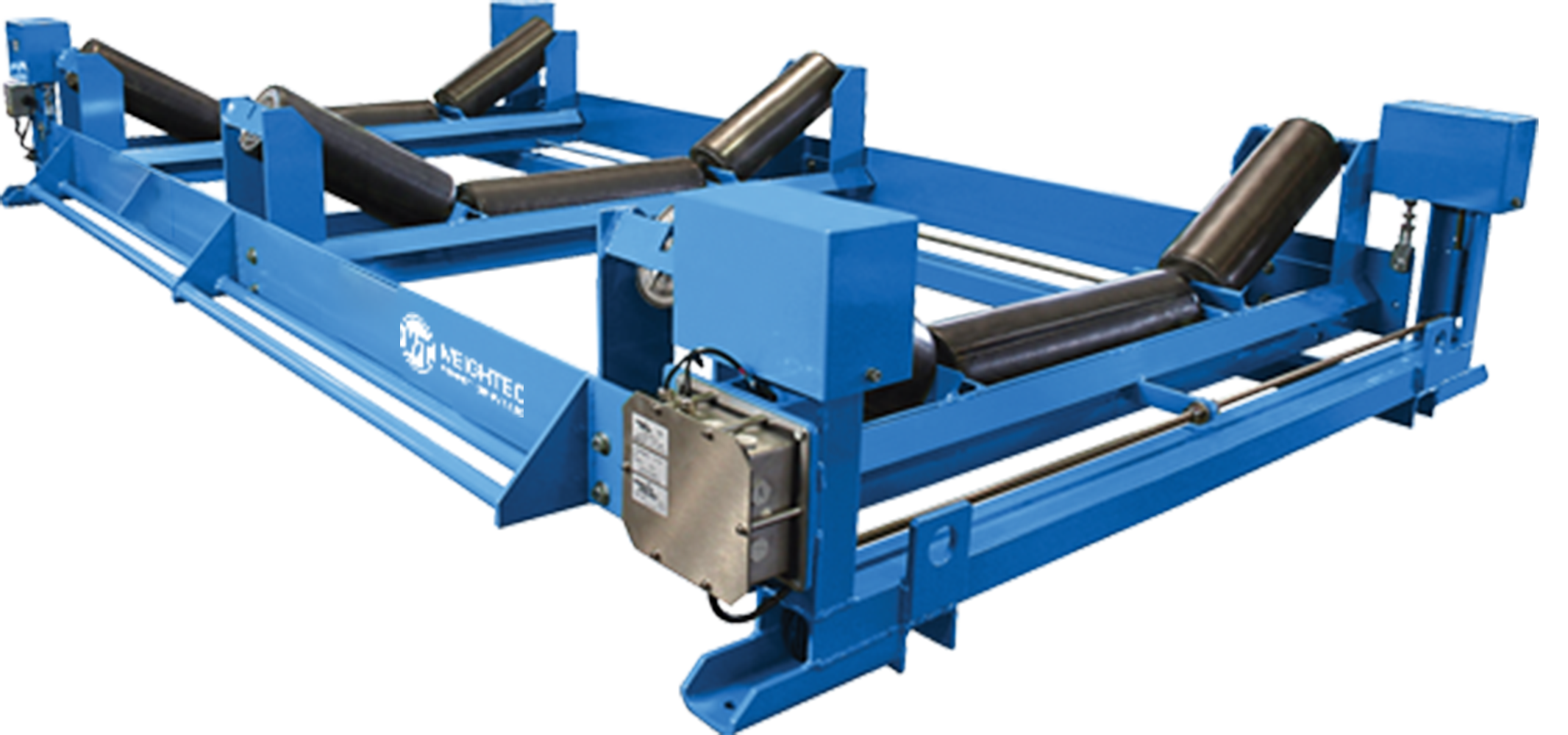
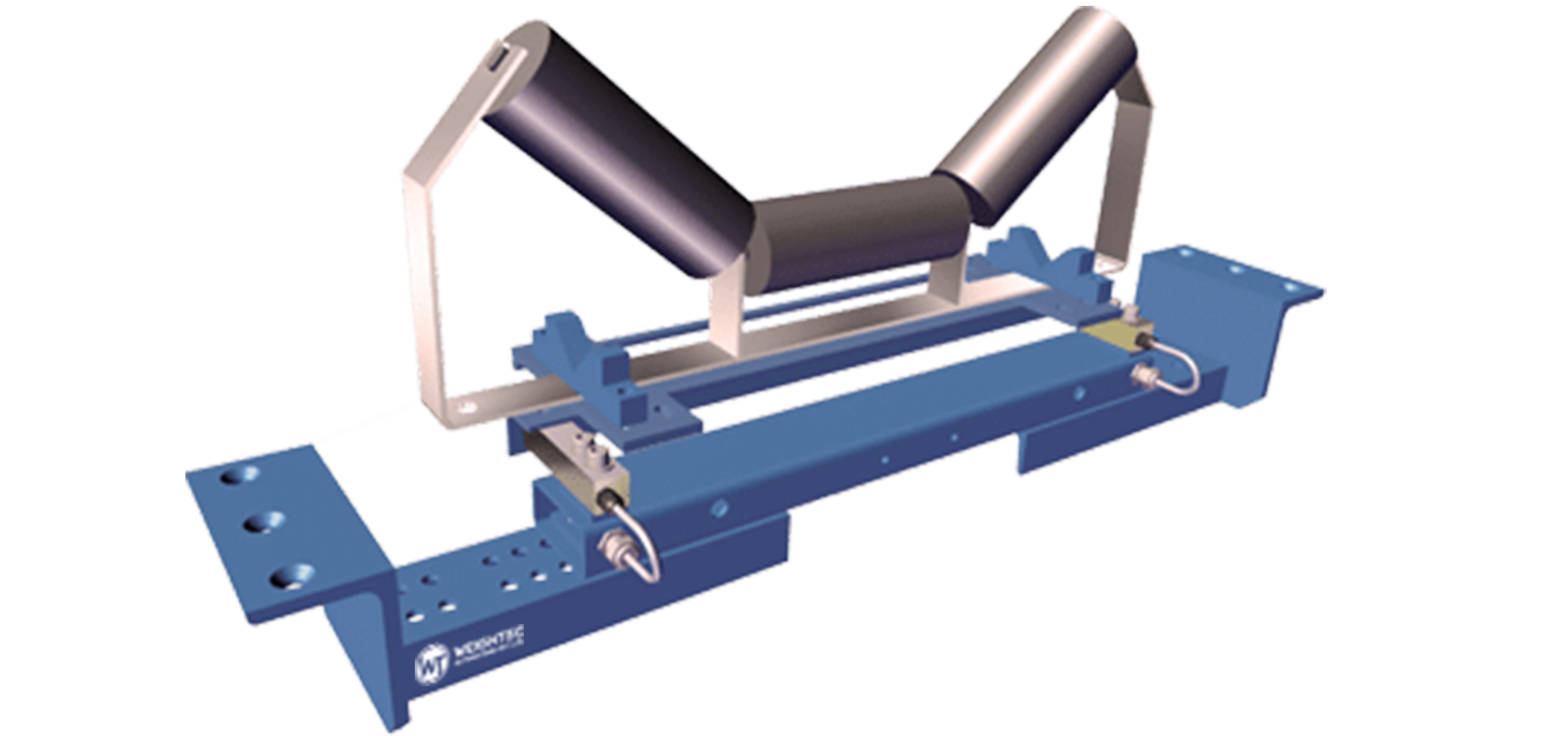
- Mounting: Single idler, Multi-idler, or custom mechanical frame
- Speed Monitoring: Via digital rotary encoder / speed sensor
- Loadcells: Single or dual loadcell configuration
- Controller: Industrial PLC / Microprocessor-based weighing controller
Typical System Components
- Weighing Frame Assembly (Loadcell + Idler support)
- Digital Speed Transducer / Encoder
- Weighing Controller / Totalizer
- Conveyor Integration Hardware
- Optional Control Panel
Optional Add-ons & Integration
- SCADA / PLC / DCS communication
- Analog outputs (4-20mA)
- Digital communication (RS232 / RS485 / Modbus / Profibus / Ethernet)
- Cloud-based logging (optional)
- Printer (Batch / Shift / Production Reports)
- Remote display units
- Alarm or set-point outputs for process control
- Calibration test chain system
- Auto zero-tracking & filtering algorithms
System Benefits
- Enhances process control & material accounting
- Improves production efficiency and plant visibility
- Enables automated batching, blending, and dosage control
- Reduces manual errors in production reporting
- Supports cost optimization & inventory tracking
Installation Variants
- Single-Idler Belt Weigher: Low cost, moderate accuracy
- Multi-Idler Belt Weigher: Higher accuracy for commercial measurements
- Modular Frames: For retrofit on existing conveyors
- Heavy-Duty Conveyor Integration: For mining & quarry applications